Table of Contents The Healing Power of Nature in Hospice Care 1. Natural Pain Relief for Seniors 2. Soothing Anxiety with Greenery 3. Gentle Activities for Limited Mobility 4. Bringing Nature Indoors at Home 5. Indoor Gardening for Emotional Wellness 6. Creating a Sensory-Rich Environment 7. Strengthening Family Bonds Outdoors 8. Finding Meaning in Nature’s …

Table of Contents
The Healing Power of Nature in Hospice Care
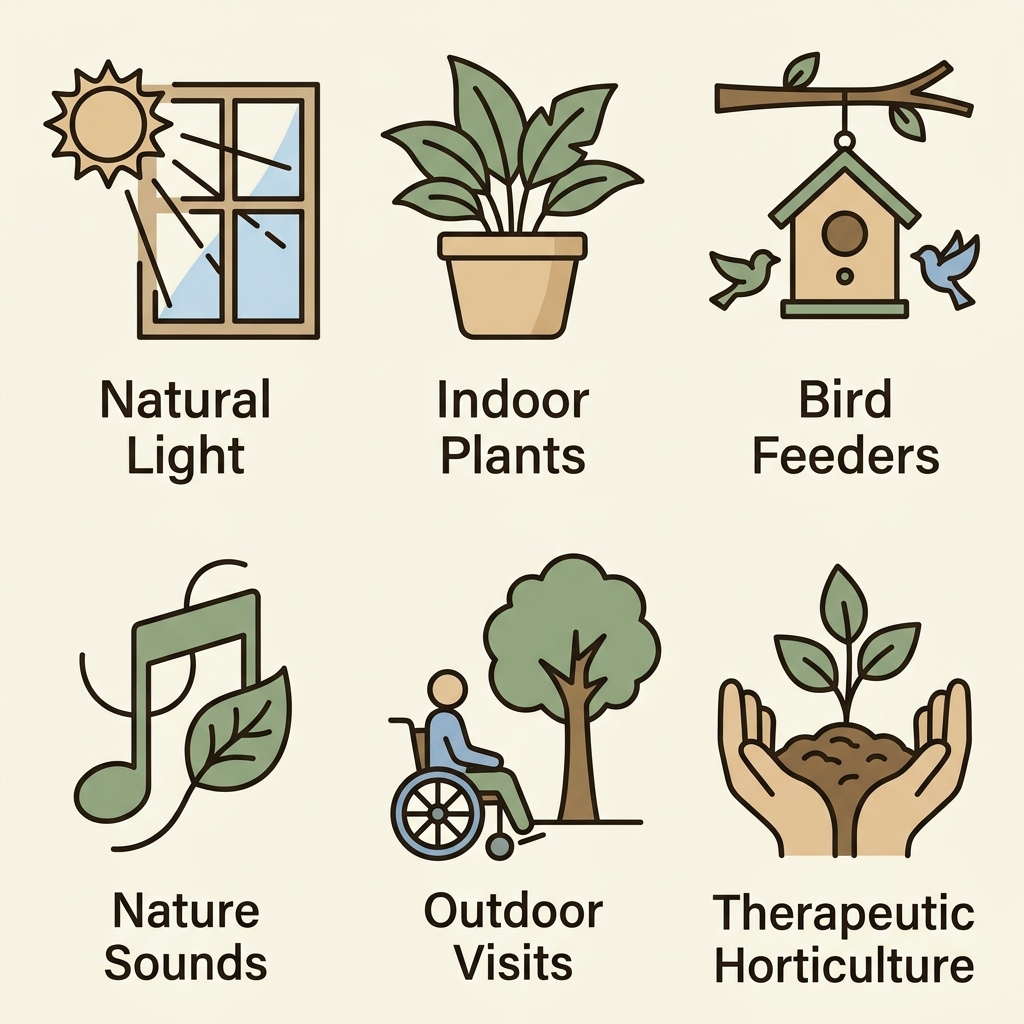
Nature therapy for seniors brings natural light, greenery, plants, and outdoor views into hospice settings to ease pain, lift spirits, and promote calm. According to eHospice Canada, adding bird feeders, nature sounds, or short outdoor visits can improve patient mental health and reduce anxiety. The same research finds that working in nature-rich spaces reduces staff emotional strain, accelerates burnout recovery, and can cut stress levels by 30%. Indoor plants, for instance, can lessen fatigue and boost energy for those receiving care. At Amara Hospice Care, we integrate nature’s healing into our compassionate care, benefiting patients and families alike. Among the many ways nature supports comfort, its role in pain relief is especially profound.
Key Takeaways
- Natural light, indoor plants, and views of greenery can help relieve physical pain in seniors receiving hospice care.
- Beyond the calming presence of indoor plants, there are also peaceful activities which encourage patients with limited mobility to take part in interacting with their surroundings.
- For patients with limited mobility, bringing nature indoors offers an accessible source of comfort and engagement without the challenges of going outside.
- Indoor gardening is one of the most accessible ways to bring nature into a hospice setting.
- As well as looking after houseplants, there’s also an opportunity to make the whole living area feel more welcoming and look after us.
1. Natural Pain Relief for Seniors
Natural light, indoor plants, and views of greenery can help relieve physical pain in seniors receiving hospice care. According to ehospice Canada, research shows that patients with nature views after surgery needed 21% fewer pain medications, and biophilic design principles are linked to lower pain levels and reduced anxiety. Exposure to houseplants has also been shown to reduce fatigue and increase energy levels in patients. Simple modifications—like adding a bird feeder outside a window, playing nature sounds, or arranging outdoor visits—are effective ways to improve comfort and mental health in hospice settings. Therapeutic horticulture can be adapted for bedside or home-based care, making it a flexible option for individuals with limited mobility. Even in rooms without direct outdoor access, nature-inspired artwork or potted plants can contribute to a calming environment. We find these nature-based strategies are low-cost, easy to implement, and offer meaningful relief, though research-supported, not guaranteed cures. These calming effects extend to emotional distress, such as anxiety, where greenery plays a key role.
2. Soothing Anxiety with Greenery
“Seniors who receive palliative care services report feeling less anxious when they have exposure to daylight, views of green space, or even a single potted plant beside their bed,” says a story on how biophilic design helps reduce anxiety for hospice patients. This type of design, which means incorporating elements of nature into living environments, has been shown to decrease stress levels as well as alleviate physical pain and promote overall mental health.
We can implement easy, low-cost modifications: place a bird feeder outside a window, play gentle nature sounds, or arrange short outdoor visits when health allows. These small acts of mercy and kindness require no special equipment and can help both patients and their caregivers feel more at ease.
The article goes on to describe therapeutic horticulture, which uses plant-based activities for bedside or at-home experiences. The activity helps regulate emotions and improves quality of life in individuals with different levels of physical and cognitive abilities. Although this type of therapy is somewhat more flexible than many others, it serves as a gentle way for patients to connect with nature, eventually making them ready to participate in additional soothing experiences.
3. Gentle Activities for Limited Mobility
Beyond the calming presence of indoor plants, there are also peaceful activities which encourage patients with limited mobility to take part in interacting with their surroundings. Patients at Amara can find comfort and have their spirits lifted through simple interactions with the environment.
Bird feeders may be placed outside the window providing silent viewing without having to leave the room. Listen to recordings of nature’s soothing sounds like light rainfall or birds singing, which can soothe your mood and help to lower your heart rate. Take short, supported outdoor visits, even just sitting on your patio for a few minutes, to get fresh air and a change of scenery. Tend to a small potted plant at the bedside or arrange some cut flowers there as well, and make other similar tactile contacts with living things. All this can be shown to decrease pain and reduce anxiety.
It could be these little times when we get to know nature as our homey shelter that can go beyond borders, and all it takes is some light care and attention to turn any bedside into a flowerbed.
4. Bringing Nature Indoors at Home
For patients with limited mobility, bringing nature indoors offers an accessible source of comfort and engagement without the challenges of going outside. A report notes that small amounts help reduce pain and anxiety and boost spirits.
We can try these simple, low-cost additions around the home:
- Place a few potted plants in the patient’s room, such as peace lilies or spider plants, to create a calming, living backdrop.
- Arrange seating near a window to maximize natural light and views of any greenery or bird activity.
- Install a bird feeder just outside a window to invite regular wildlife visits and provide gentle entertainment.
- Play soft nature sounds or gentle instrumental music to foster calm and mask household noise.
When paired with a relaxing environment, these soothing effects help increase well being on a day to day basis. After some time has passed, enough natural elements could be used for some kind of indoor gardening exercise, helping out with emotional needs.
5. Indoor Gardening for Emotional Wellness
Indoor gardening is one of the most accessible ways to bring nature into a hospice setting. With just a small potted plant on a bedside tray or a windowsill herb garden, a patient can enjoy a calming connection to the outdoors, no large budget or green thumb required. Here at Amara Hospice Care we’ve found that these gentle, hands-on activities can be adapted easily to any care environment, whether at home or in a clinical room.
A number of studies have demonstrated that patients experience less pain and anxiety when they stay in rooms where there is indoor plant life, access to daylight, as well as other elements of greenery. These nature-based activities even help the caregiver and staff heal emotionally and recuperate from burnout. Even something as small as a tray garden on a windowsill, or several pots of succulents could be beneficial.
Because indoor gardening engages sight, smell, and touch, it naturally sets the stage for a sensory-rich care environment. At Amara Hospice Care, we see how these low-cost practices foster moments of calm and emotional connection for everyone involved.
6. Creating a Sensory-Rich Environment
As well as looking after houseplants, there’s also an opportunity to make the whole living area feel more welcoming and look after us. Natural light and access to green spaces have been shown to help decrease both pain levels and anxiety. The evidence behind this comes from studies which show that patients who were able to see trees outside needed just 21% less analgesics following operations when compared to those who couldn’t see outside. Indoor plants meanwhile may be helping people to feel less tired and stressed.
We can bring these benefits into any care setting with gentle nature sounds playing in the background, a bird feeder placed outside a window, or short visits to a garden, all of which help promote a state of Amara mind. Therapeutic horticulture adapts easily to bedside care, clinical rooms, or home-based settings, so even compact spaces become sensory-rich. Such an atmosphere naturally invites families to step outside and strengthen their bonds.
7. Strengthening Family Bonds Outdoors
As well as soothing environments inside hospitals, we recommend considering ways to bring this sense of calm outside into gardens, patios and other family-friendly spaces. Simple, low-cost interventions can transform outdoor family time into a meaningful experience. We encourage families to consult our care team about safe options that fit each patient’s mobility and energy level.
If patients feel comfortable in their surroundings because there’s natural light and greenery, family members can engage more fully and meaningfully during visits. According to a Canadian hospice publication, even brief exposure to nature reduces anxiety and pain, creating a calmer atmosphere for shared moments. A bird feeder outside the window or a cluster of potted plants can provide a gentle focus that invites conversation and closeness.
This time spent quietly outdoors also allows us as families to review the various stages in our lives, helping us feel more contented and more connected to both body and soul.
8. Finding Meaning in Nature’s Cycle
The ebb and flow of time – the turn of the seasons, the quiet rhythm of growing then resting – is powerful medicine for hospice patients and their families. Insights on hospice care show that natural light, views of greenery, and indoor plants are associated with significantly reduced pain and anxiety. Patients who can see greenspace from where they lie down need about 21 % fewer pain medications than those without this view. The presence of greenery can decrease patients’ feeling of fatigue while increasing feelings of energy. Simple additions like bird feeders and gentle nature sounds improve mental health outcomes, and staff in nature-enriched environments recover faster from emotional strain. In the face of their mortality, therapeutic horticulture is a practical form of emotional regulation, applicable whether the plantings happen on-site near the patient bed or elsewhere in the clinic setting. This cycle of bud, bloom, fade, and return may help hospice patients and families gain a new sense of purpose and value, providing another means through which we can understand and experience what is happening in each particular moment. By doing the small things around us that connect us back to nature, we may find the peace and comfort that is often most available towards the ends of lives.
Frequently Asked Questions
How can nature therapy benefit hospice patients with limited mobility?
Nature therapy can reduce pain, anxiety, and fatigue while increasing energy and comfort for hospice patients with limited mobility. Indoor options like potted plants, bird feeders outside windows, nature sounds, and views of greenery provide accessible engagement without needing to go outdoors. These elements are associated with significant reductions in pain medication needs and improved mental health outcomes.
What are some simple ways to incorporate nature therapy for seniors receiving hospice care at home?
Simple ways include placing potted plants like peace lilies or spider plants in the room, arranging seating near a window for natural light and views, installing a bird feeder outside, and playing soft nature sounds. These low-cost modifications bring comfort, reduce pain and anxiety, and can be adapted to any home setting without requiring mobility.
Does nature therapy help reduce pain and anxiety for elderly patients in hospice?
Yes, nature therapy helps reduce pain and anxiety. Patients with views of nature after surgery needed 21% fewer pain medications, and incorporating natural elements like indoor plants, natural light, and greenery is associated with lower pain levels and reduced anxiety. Simple additions like bird feeders and nature sounds can improve comfort and mental health in hospice settings.
Can indoor nature-based activities like gardening or plant care improve the well-being of hospice patients?
Yes, indoor gardening and plant care can improve well-being. Tending a small potted plant or a windowsill herb garden offers a calming connection to nature and has been shown to reduce pain and anxiety. Therapeutic horticulture services are flexible, adaptable to bedside or home settings, and support emotional regulation for patients with varying abilities.
Why is connecting with nature considered a meaningful part of end-of-life comfort care?
Connecting with nature helps reduce pain, anxiety, and fatigue while promoting calm and emotional comfort. Views of greenery, natural light, and indoor plants are linked to lower stress and pain medication needs. The cycle of seasons mirrors life’s rhythms, offering patients and families a sense of meaning, purpose, and peaceful connection in their final days.
Embracing Nature for Comfort and Peace
Nature therapy for seniors is as simple as being in the presence of the natural world around us, and reflecting on how the natural world works can help us feel more at home, more relaxed, more peaceful. Tiny things such as putting plants inside your home, keeping curtains open, having recordings of natural sounds… can make a big difference. Ehospice Canada’s research confirms that small natural touches like these can ease anxiety and promote calm. Just a glimpse of green or a view of birds through our windows helps us relax, become more serene and less stressed. Hospice eligibility is always determined by a physician, and individual outcomes vary; please consult a healthcare professional for clinical decisions. Medicare/Insurance coverage might apply. We’ve seen that nature doesn’t need to take up too much space and even the smallest touch can give us a bit of relaxation and hope.
Discover Nature’s Comfort and Support
You have just explored how nature therapy for seniors—from natural pain relief to soothing anxiety with greenery—can bring profound comfort in hospice care. Small, low-cost modifications such as indoor plants, natural light, and nature sounds can help reduce pain and anxiety for your loved one. At Amara Hospice Care, we weave these gentle, evidence-based approaches into personalized comfort plans that honor the whole person. Our multidisciplinary team integrates nature’s healing alongside medical, emotional, and spiritual support to nurture a state of peace. Simple additions like a bird feeder outside the window or a short outdoor visit can strengthen family bonds and create moments of connection. Embracing nature is a compassionate, accessible way to enhance quality of life during this tender journey. Discover how our holistic services can surround your family with grace, mercy, and comfort every day.
Discover Nature’s Comfort and Support
Resources